Understand what a balanced diet in daily life means and how simple food choices can support energy, nutrition, and overall wellness.
What Is a Balanced Diet in Daily Life
A balanced diet in daily life means eating a variety of foods in the right amounts to support overall health and well-being. It does not require expensive foods or strict rules. In Indian households, traditional meals already include many elements of a balanced diet when planned thoughtfully. Understanding how to balance daily meals can help maintain energy, support digestion, and encourage long-term healthy eating habits.
What Is a Balanced Diet in Daily Life
A balanced diet in daily life includes different food groups that provide essential nutrients. These food groups generally include cereals or grains, pulses or protein sources, vegetables, fruits, healthy fats, and adequate fluids.
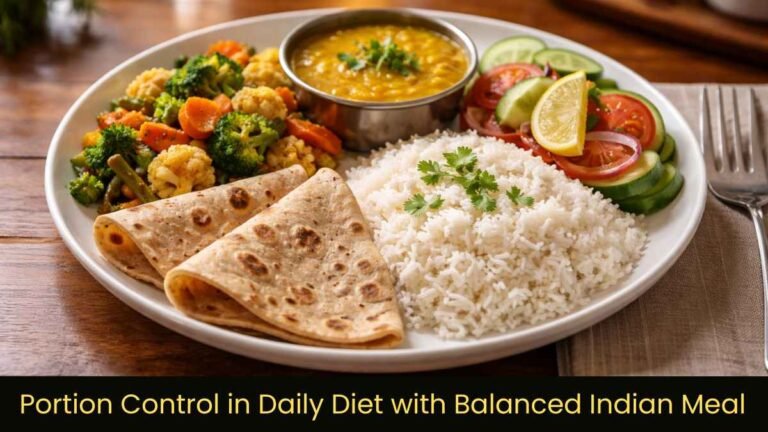
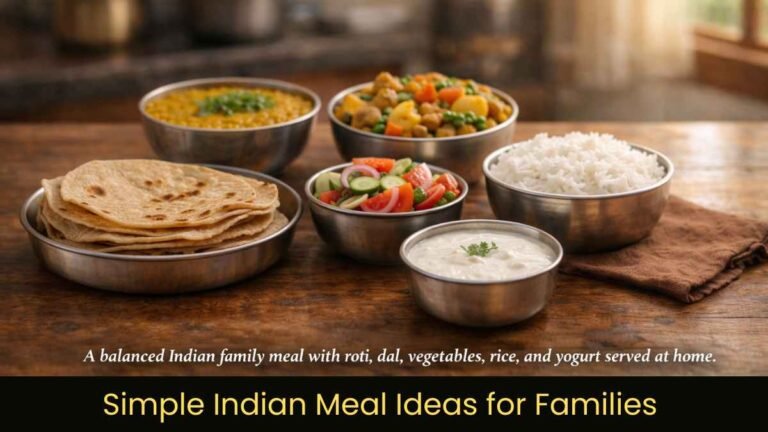
Instead of focusing on one “perfect” food, balanced eating emphasizes variety and moderation. Traditional Indian thalis are a good example, as they often combine grains, dal, vegetables, curd, and small amounts of fat in one meal.
Role of Carbohydrates in a Balanced Diet Daily Life
Carbohydrates are an important part of a balanced diet in daily life as they provide energy for everyday activities. Foods such as rice, wheat, millets, and other whole grains are commonly consumed in Indian meals.
Choosing whole grains over refined options can support steady energy levels and digestive comfort. Portion control is also important to maintain balance.
Protein Sources in a Balanced Diet in Daily Life
Proteins help support body structure and daily functioning. In a balanced diet daily life routine, protein can come from pulses, lentils, beans, curd, milk, nuts, seeds, and traditional foods like paneer.
Combining cereals with pulses, such as rice with dal or roti with chana, is a traditional practice that supports balanced nutrition.
Importance of Fruits and Vegetables
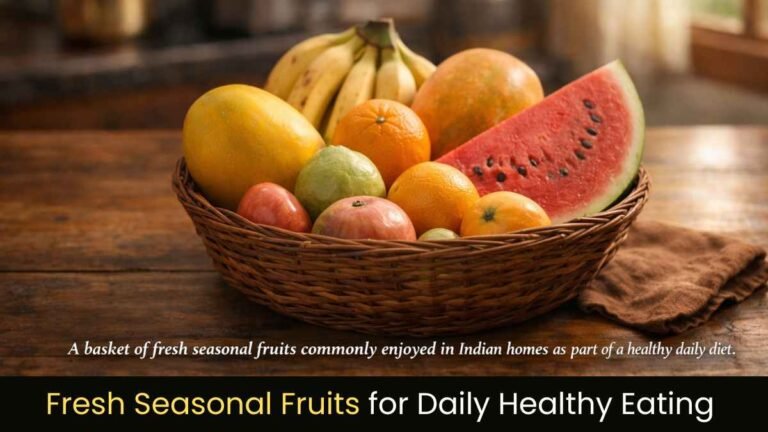
Fruits and vegetables are essential for a balanced diet in daily life because they provide vitamins, minerals, and dietary fiber. Seasonal and locally available produce is commonly used in Indian cooking.
Including a variety of colors and types of vegetables in meals can support overall nourishment and meal satisfaction.
Healthy Fats in a Balanced Diet Daily Life
Fats are also part of a balanced diet when consumed in moderation. Traditional Indian kitchens use oils, ghee, nuts, and seeds as fat sources.
Using small amounts of healthy fats can support nutrient absorption and add flavor to meals without excess.
Hydration as Part of a Balanced Diet
Adequate fluid intake is often overlooked but is an important part of a balanced diet in daily life. Drinking enough water throughout the day supports digestion and overall body functions.
Warm water, buttermilk, and traditional drinks are commonly included as part of daily routines in Indian households.
Practical Daily Tips for a Balanced Diet
Eat home-cooked meals most of the time
Include at least one vegetable dish in every meal
Rotate grains such as rice, wheat, and millets
Add a protein source to each main meal
Practice mindful eating and regular meal timings
Useful Links
- FSSAI – Eat Right India initiative
- Ministry of AYUSH – Lifestyle and wellness information
- ICMR – Dietary Guidelines for Indians
- WHO – Healthy diet guidance
- Daily Habits That Support a Strong Immune System
- Introduction to Millets for Everyday Nutrition
FAQs
What does a balanced diet in daily life include?
A balanced diet includes grains, proteins, vegetables, fruits, healthy fats, and fluids in appropriate portions.
Is a balanced diet expensive to follow?
A balanced diet can be affordable when based on local, seasonal, and home-cooked foods.
Can traditional Indian food be balanced?
Yes, traditional Indian meals often naturally include multiple food groups when planned properly.
How many meals are ideal in daily life?
Regular meals with balanced portions are generally recommended as part of a healthy routine.
Disclaimer
Disclaimer:
This article is for educational and informational purposes only. It is not intended as medical advice. Always consult a qualified healthcare professional before making any health-related changes.
Conclusion
A balanced diet in daily life focuses on variety, moderation, and consistency rather than restriction. By including different food groups and following traditional meal patterns thoughtfully, individuals can support overall wellness and sustainable healthy eating habits in everyday life.
Author: Vijaya Health Tips
About the Author:
We share simple, practical health tips based on everyday habits, traditional practices, and general wellness knowledge to support a healthy lifestyle.
About the Author