Learn a balanced diet plan for Indian families with simple food choices, traditional meals, and practical tips for daily healthy living.
A balanced diet plan for Indian families focuses on variety, moderation, and regular eating habits. With changing lifestyles, many families rely on quick meals that may lack proper nutrition. Traditional Indian food patterns already offer a strong foundation for balanced eating when planned thoughtfully. A simple, home-based approach can support daily energy, growth, and overall well-being for all age groups.
Balanced Diet Plan for Indian Families Explained Simply
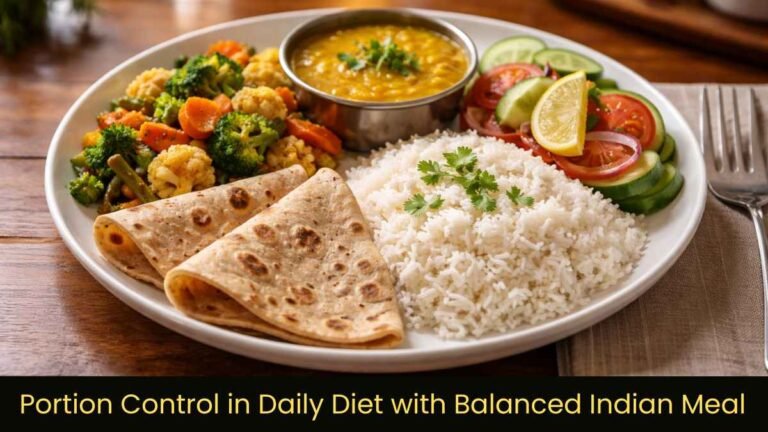
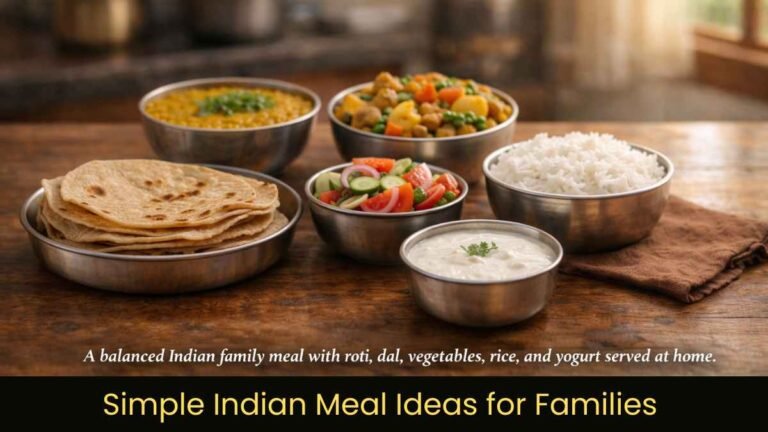
A balanced diet plan for Indian families includes all major food groups in the right proportions. These food groups usually consist of cereals or millets, pulses, vegetables, fruits, dairy, nuts, seeds, and healthy fats. Including different foods across meals helps provide essential nutrients and supports overall nourishment as part of daily life.
Role of Cereals and Millets in Family Meals
Cereals and millets form the base of a balanced diet plan for Indian families. Rice, wheat, millets like jowar, bajra, and ragi are commonly used across regions. Rotating grains instead of relying on only one helps add variety and supports balanced nutrition when combined with dals and vegetables.
Importance of Vegetables and Fruits in Daily Diet
Vegetables and fruits are key components of a balanced diet plan for Indian families. Seasonal vegetables, leafy greens, and local fruits add natural vitamins, minerals, and fiber. Including different colors on the plate can support overall wellness and make meals more enjoyable for children and adults alike.
Protein Sources in a Balanced Diet Plan for Indian Families
Protein plays an important role in daily nutrition. A balanced diet plan for Indian families can include dals, beans, lentils, curd, paneer, nuts, and seeds. These foods are traditionally used in Indian cooking and can be easily included in breakfast, lunch, or dinner preparations.
Healthy Fats and Moderation in Cooking
Healthy fats are essential when used in moderation. Oils, ghee, nuts, and seeds are part of a balanced diet plan for Indian families when used wisely. Traditional cooking methods that avoid excess oil and focus on home-prepared meals help maintain balance without complexity.
Precautions While Planning Family Diet
While following a balanced diet plan for Indian families, portion control and variety are important. Avoid excessive intake of fried foods, sugary snacks, and packaged items. Each family member may have different needs, so meals should be flexible and balanced rather than restrictive.
Practical Daily Tips for Balanced Eating
Plan meals in advance to avoid last-minute unhealthy choices.
Include at least one vegetable and one protein source in every main meal.
Encourage home-cooked food most days of the week.
Keep meal timings regular for children and adults.
Offer fruits or nuts as snack options instead of packaged foods.
Useful Links
- Millets for Balanced Nutrition in Modern Lifestyle
- ICMR Dietary Guidelines for Indians – Balanced nutrition guidance
- FSSAI Eat Right India – Family-friendly healthy eating practices
- WHO – General healthy diet recommendations
- Ministry of AYUSH – Traditional food and lifestyle guidance
- NIH – General nutrition and diet information
FAQ Section
What is a balanced diet for an Indian family?
A balanced diet includes a mix of grains, vegetables, fruits, proteins, dairy, and healthy fats in suitable portions.
Can traditional Indian food be balanced?
Yes, traditional Indian meals naturally include variety and balance when prepared mindfully.
How can children follow a balanced diet?
Children can follow balanced eating by including home-cooked meals, fruits, vegetables, and regular meal timings.
Is meal planning important for families?
Meal planning helps ensure variety, balance, and consistency in daily nutrition.
Disclaimer:
This article is for educational and informational purposes only. It is not intended as medical advice. Always consult a qualified healthcare professional before making any health-related changes.
A balanced diet plan for Indian families does not require expensive or complicated foods. By using traditional ingredients, seasonal produce, and mindful cooking habits, families can support daily nutrition in a practical way. Consistency and variety are the key elements that make balanced eating sustainable for modern family life.
Author: Vijaya Health Tips
About the Author:
We share simple, practical health tips based on everyday habits, traditional practices, and general wellness knowledge to support a healthy lifestyle.
About the Author