Learn how millets in a balanced diet can support nutrition, energy, and daily wellness using traditional Indian grains.
A balanced diet is not about complicated food rules or expensive ingredients. In Indian households, traditional grains have always played an important role in everyday meals. Millets are one such group of grains that are now gaining attention again. Understanding how millets in a balanced diet fit into daily eating habits can help families make simple, practical food choices rooted in tradition and supported by modern nutrition awareness.
Millets in Balanced Diet: An Overview
Millets are small-seeded grains that have been cultivated in India for centuries. Common types include jowar, bajra, ragi, foxtail millet, little millet, and kodo millet. Traditionally, these grains were part of regional diets because they grew well in local climates and were easy to cook.
Including millets in a balanced diet means using them alongside vegetables, pulses, fruits, dairy, and healthy fats. They are not meant to replace all other grains but to add variety and nutritional diversity to everyday meals.
Nutritional Value of Millets in Balanced Diet
Millets are known for their natural nutrient content. They generally provide complex carbohydrates, dietary fiber, and plant-based protein. Many millets also contain minerals such as iron, calcium, magnesium, and phosphorus, depending on the variety.
Ragi, for example, is traditionally valued for its calcium content, while bajra and jowar are commonly associated with energy-giving meals. When millets are part of a balanced diet, they can contribute to overall nutrient intake without relying on heavily processed foods.
How Millets Support Everyday Energy and Satiety
One reason millets in a balanced diet are appreciated is their fiber content. Fiber-rich foods are traditionally associated with a feeling of fullness when eaten in appropriate portions. This may help support mindful eating habits as part of a healthy lifestyle.
Millets release energy gradually because they are complex carbohydrates. When included in regular meals, they can fit well into daily routines such as work, school, or physical activity without causing sudden spikes or crashes in energy levels.
Millets in Balanced Diet for Indian Families
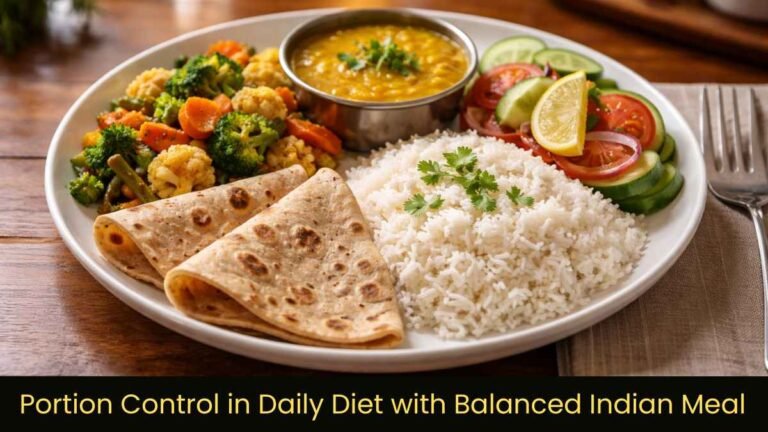
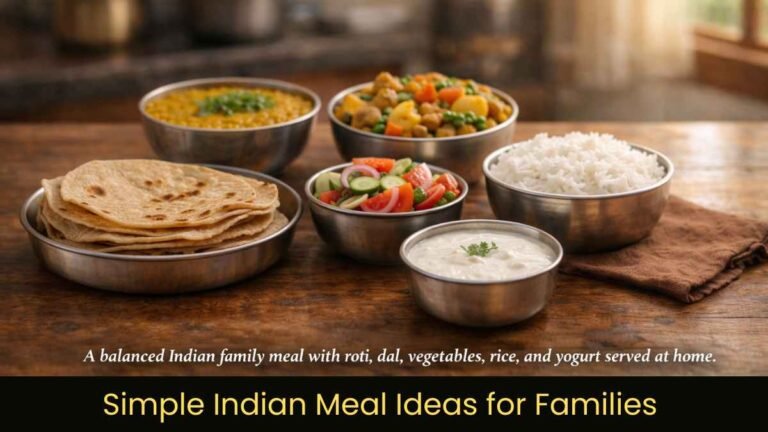
Indian meals are naturally suited for millet inclusion. Rotis made from jowar or bajra, ragi porridge, millet idli, dosa, and upma are examples of how these grains are already used in familiar forms.
Using millets in a balanced diet does not require giving up rice or wheat completely. Instead, families can rotate grains across the week. This approach supports dietary variety and keeps meals interesting while staying close to traditional cooking practices.
Digestive Comfort and Millets in Balanced Diet
Millets are often included in traditional diets for their role in supporting digestion when eaten mindfully. Their fiber content works best when combined with adequate water intake, vegetables, and proper cooking methods.
Soaking, fermenting, or cooking millets well can improve their texture and suitability for regular consumption. As with any grain, portion size and individual tolerance matter.
Practical Ways to Include Millets in Balanced Diet
Adding millets to daily meals can be simple. Millet flour can be used to prepare rotis, while whole millets can replace rice in dishes like khichdi or pulao occasionally. Breakfast items such as millet dosa or porridge are commonly prepared in many Indian homes.
Mixing millets with pulses, vegetables, and healthy fats like groundnut or sesame oil helps maintain balance in meals. This combination aligns well with traditional Indian dietary patterns.
Precautions While Using Millets in Balanced Diet
While millets offer many nutritional benefits, overconsumption or sudden dietary changes may not suit everyone. Some people may need time to adjust to higher fiber foods.
Variety is important. Relying on only one type of millet daily is not recommended. Rotating grains and maintaining overall dietary balance helps avoid monotony and supports long-term healthy eating habits.
Practical Daily Tips
Start by replacing one meal a few times a week with a millet-based dish. Choose locally available millets for freshness and affordability. Pair millets with seasonal vegetables and adequate protein sources. Drink enough water throughout the day to support digestion.
Cooking methods matter. Well-cooked, soaked, or fermented millet dishes are easier to include regularly. Keeping meals simple helps maintain consistency.
Useful Links
- Ministry of AYUSH – Millets and traditional diets
- Indian Council of Medical Research – Dietary Guidelines for Indians
- Food Safety and Standards Authority of India – Eat Right India initiative
- Simple Hygiene Habits for Everyday Protection
FAQs
What are millets in a balanced diet?
Millets in a balanced diet refer to including different millet grains along with other food groups like vegetables, pulses, fruits, and dairy.
Can millets be eaten every day?
Millets can be eaten regularly in moderate portions, preferably by rotating different types as part of a varied diet.
Are millets suitable for all age groups?
Millets are traditionally consumed by different age groups, but preparation method and portion size should be adjusted to individual needs.
Do millets replace rice and wheat completely?
No, millets are best used as an addition to other grains, not a complete replacement.
Disclaimer
This article is for educational and informational purposes only. It is not intended as medical advice. Always consult a qualified healthcare professional before making any health-related changes.
Millets in a balanced diet reflect a return to simple, traditional eating habits supported by modern nutritional understanding. By using millets alongside other whole foods, Indian families can enjoy variety, cultural familiarity, and balanced nutrition as part of everyday life.
Author: Vijaya Health Tips
About the Author:
We share simple, practical health tips based on everyday habits, traditional practices, and general wellness knowledge to support a healthy lifestyle.
About the Author