Ragi Benefits for Weight Loss and Healthy Living
Discover ragi benefits for weight loss, digestion, and daily nutrition. Learn how to include ragi in a balanced Indian diet safely.
Ragi, also known as finger millet, has been part of traditional Indian meals for centuries. From ragi mudde in Karnataka to ragi dosa and porridge across South India, this humble millet has nourished generations. Today, many people are rediscovering ragi benefits for weight loss as they look for natural, wholesome alternatives to refined grains.
Ragi is rich in fiber, plant-based protein, and essential minerals. When included in a balanced diet and combined with regular physical activity, ragi may help support healthy weight management in a sustainable way. Let us explore how ragi benefits for weight loss fit into everyday Indian lifestyles.
Ragi Benefits for Weight Loss Through High Fiber Content
One of the key reasons behind ragi benefits for weight loss is its high dietary fiber content. Fiber helps you feel full for longer, which may reduce unnecessary snacking between meals.
When compared to refined flour products like white bread or maida-based snacks, ragi-based meals digest more slowly. This slow digestion may help maintain steady energy levels throughout the day.
Including ragi roti or ragi porridge for breakfast can help you stay satisfied until lunchtime, supporting better portion control naturally.
Ragi Benefits for Weight Loss by Supporting Healthy Digestion
Healthy digestion plays an important role in weight management. Ragi contains both soluble and insoluble fiber, which can support regular bowel movements as part of a balanced diet.
In traditional Indian kitchens, ragi has long been considered easy to digest when prepared properly. Fermented ragi dosa or lightly cooked ragi porridge are common examples.
Ragi Benefits for Weight Loss and Blood Sugar Balance
Balanced blood sugar levels are important for managing hunger and cravings. Ragi has a relatively low glycemic response compared to refined grains, which may help avoid sudden spikes and crashes in energy.
When energy levels remain stable, it becomes easier to avoid sugary snacks and overeating. Ragi benefits for weight loss may therefore be linked to improved appetite control when eaten in moderation.
Pair ragi with vegetables, dal, or curd to create a more balanced meal.
Ragi Benefits for Weight Loss Due to Nutrient Density
Unlike empty-calorie foods, ragi is rich in important nutrients such as:
• Calcium
• Iron
• Magnesium
• Plant-based protein
• B vitamins
Nutrient-dense foods support overall health while managing calorie intake. Instead of focusing only on eating less, choosing better-quality grains like ragi can make a difference in long-term healthy living.
Best Ways to Include Ragi for Weight Management
To maximize ragi benefits for weight loss, preparation method matters. Avoid deep-fried ragi snacks or excessive sugar in ragi sweets.
Healthier options include:
• Ragi porridge with nuts (no added sugar)
• Ragi dosa with minimal oil
• Ragi roti with vegetable curry
• Ragi idli for breakfast
• Sprouted ragi malt
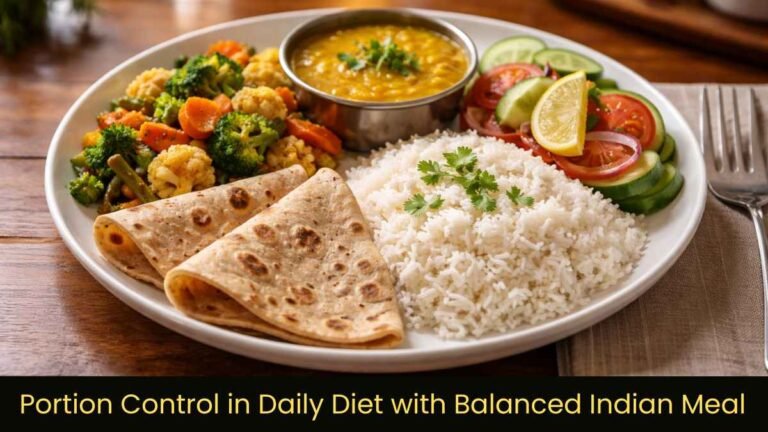
Portion control is essential. Even healthy foods should be eaten mindfully.
Precautions While Using Ragi for Weight Loss
Although ragi benefits for weight loss are promising, keep these points in mind:
• Introduce gradually if you are not used to high-fiber foods
• Drink enough water to support digestion
• Avoid overconsumption
• People with specific thyroid or kidney conditions should consult a healthcare professional
Ragi works best as part of a balanced diet that includes vegetables, pulses, fruits, and regular exercise.
Practical Daily Tips to Maximize Ragi Benefits for Weight Loss
• Replace white rice with ragi mudde once or twice a week
• Use ragi flour in multigrain chapati
• Choose homemade ragi snacks instead of packaged items
• Combine with strength training or yoga
• Avoid adding excess jaggery or sugar
Consistency and balanced eating habits matter more than quick results.
Useful Links
ICMR Dietary Guidelines for Indians
How Millets Support Balanced Diets
Turmeric Milk Benefits for Daily Health and Immunity Support
FAQs
Is ragi good for daily consumption?
Ragi can be included regularly in moderate amounts as part of a balanced diet.
Can ragi reduce belly fat?
Ragi benefits for weight loss may support overall fat management when combined with exercise and calorie control.
Is ragi better than rice for weight loss?
Ragi is higher in fiber compared to polished white rice, which may support better satiety.
When is the best time to eat ragi for weight loss?
Ragi can be eaten at breakfast or lunch for sustained energy throughout the day.
Conclusion
Ragi benefits for weight loss come from its fiber content, nutrient density, and ability to support fullness and balanced eating. As a traditional Indian millet, ragi offers a natural and affordable way to move toward healthier living.
When combined with mindful eating, regular movement, and proper hydration, ragi can be a valuable addition to your weight management journey.
Disclaimer
This article is for educational and informational purposes only. It is not intended as medical advice. Always consult a qualified healthcare professional before making any health-related changes.
Author: Vijaya Health Tips
We share simple, practical health tips based on everyday habits, traditional practices, and general wellness knowledge to support a healthy lifestyle.
About the Author

Unnath Kovi
Administrator
Hi! I’m Unnath Kovi, the creator of Vijaya Health Tips, a platform dedicated to sharing simple, natural, and effective health information for everyday life. With a passion for healthy living, I create bilingual content in English that helps people understand wellness in an easy and practical way.