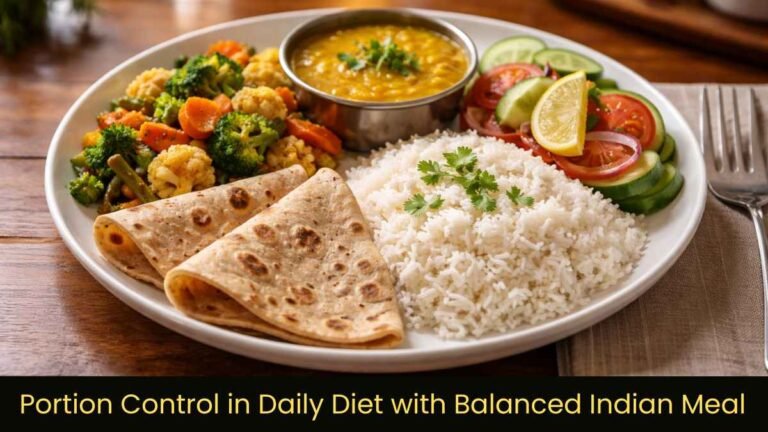
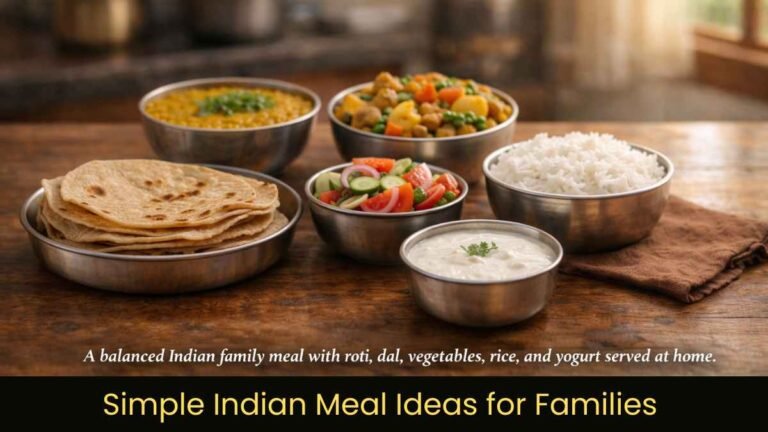
Discover healthy Indian grain alternatives for daily meals that support balanced nutrition and traditional eating habits for the whole family.
Grains are a central part of everyday meals in Indian households. From rice and roti to porridge and steamed dishes, grains provide energy and nourishment for daily life. However, relying heavily on refined grains may reduce the diversity of nutrients in the diet.
Exploring healthy Indian grain alternatives can help families add variety, fiber, and natural nutrients to their meals. India has a rich heritage of traditional grains such as millets, barley, and unpolished rice that have been used for generations.
Including these healthy Indian grain alternatives in daily cooking can support balanced eating habits while preserving traditional food practices.
Healthy Indian Grain Alternatives That Support Balanced Nutrition
One of the key advantages of healthy Indian grain alternatives is their natural nutrient content. Many traditional grains are less processed and therefore retain more fiber and essential nutrients.
Whole grains like millets, barley, and brown rice contain the bran and germ layers of the grain. These layers contribute dietary fiber, minerals, and plant-based nutrients that may support overall wellness.
By choosing healthy Indian grain alternatives, families can enjoy grains that provide both nourishment and variety in everyday meals.
Millets as Healthy Indian Grain Alternatives
Millets are among the most widely recognized healthy Indian grain alternatives. These ancient grains have been cultivated in India for thousands of years and are well adapted to different climates.
Common millet varieties include ragi, jowar, bajra, foxtail millet, and little millet. Each type has a slightly different taste and texture, making them suitable for a wide range of recipes.
Millets naturally contain fiber and important minerals such as iron and magnesium. Because they are whole grains, they may support digestive comfort and balanced energy levels when included in daily meals.
Millet rotis, porridge, and upma are popular examples of dishes prepared using these grains.
Barley as a Healthy Indian Grain Alternative
Barley is another traditional grain that can serve as one of the healthy Indian grain alternatives for daily meals. Known as “jau” in many Indian languages, barley has long been used in soups, porridges, and beverages.
Barley contains soluble fiber, which contributes to digestive support and satiety after meals. Its mild flavor allows it to blend well with vegetables, pulses, and spices commonly used in Indian cooking.
Barley can be used in khichdi-style dishes or cooked as a base grain similar to rice.
Brown Rice Among Healthy Indian Grain Alternatives
While white rice is widely consumed, brown rice offers a less processed option among healthy Indian grain alternatives. Unlike polished white rice, brown rice retains its outer bran layer.
This layer contains dietary fiber and naturally occurring nutrients that may contribute to balanced nutrition. Brown rice can be used in many familiar dishes such as pulao, curd rice, and vegetable rice.
Gradually replacing some white rice meals with brown rice may help increase whole grain intake over time.
Nutrients Found in Healthy Indian Grain Alternatives
Many healthy Indian grain alternatives contain naturally occurring nutrients that contribute to overall dietary diversity.
These grains commonly provide:
Dietary fiber that supports digestive health
Iron, which plays a role in normal energy metabolism
Magnesium that contributes to muscle and nerve function
Plant-based antioxidants that support natural body processes
Although grains alone do not provide all nutrients required by the body, they form an important base when combined with vegetables, pulses, and healthy fats.
How to Include Healthy Indian Grain Alternatives in Daily Cooking
Introducing healthy Indian grain alternatives does not require major changes to traditional recipes. Small adjustments can make the transition easier.
Millet flour can be mixed with regular wheat flour to prepare multigrain rotis. Barley can be used in soups or khichdi as a substitute for rice.
Brown rice can be introduced once or twice a week before gradually increasing its use in everyday meals.
Exploring regional recipes that traditionally use these grains can also make the experience enjoyable and culturally meaningful.
Practical Daily Tips for Choosing Healthy Indian Grain Alternatives
Start by introducing one or two healthy Indian grain alternatives each week instead of replacing all grains at once.
Purchase whole grains from reliable sources and store them in airtight containers to maintain freshness.
Rotate different grains during the week to maintain variety and balanced nutrition.
Combine grains with protein-rich foods such as lentils, chickpeas, and beans to create complete meals that support daily energy needs.
Useful Links
Why Millets Are Better Than Refined Grains
ICMR Dietary Guidelines for Indians
National Institutes of Health Nutrition Resources
FAQs
What are healthy Indian grain alternatives?
Healthy Indian grain alternatives include traditional whole grains such as millets, barley, and brown rice that provide fiber and natural nutrients.
Can healthy Indian grain alternatives be used in everyday meals?
Yes, many healthy Indian grain alternatives can easily replace refined grains in dishes like rotis, porridge, khichdi, and rice-based meals.
Are millets considered healthy Indian grain alternatives?
Yes, millets such as ragi, jowar, and bajra are widely recognized as healthy Indian grain alternatives due to their whole grain nature and traditional use.
How can families start using healthy Indian grain alternatives?
Families can begin by adding millet dishes once or twice a week, mixing multigrain flour in rotis, or replacing some white rice meals with brown rice.
Disclaimer
This article is for educational and informational purposes only. It is not intended as medical advice. Always consult a qualified healthcare professional before making any health-related changes.
Conclusion
Exploring healthy Indian grain alternatives is a simple way to add nutritional variety and traditional wisdom to everyday meals. Grains like millets, barley, and brown rice provide natural fiber and nutrients that support balanced eating habits.
By gradually incorporating these grains into daily cooking, families can enjoy wholesome meals while maintaining the rich culinary heritage of Indian food traditions.
Author: Vijaya Health Tips
We share simple, practical health tips based on everyday habits, traditional practices, and general wellness knowledge to support a healthy lifestyle.
About the Author