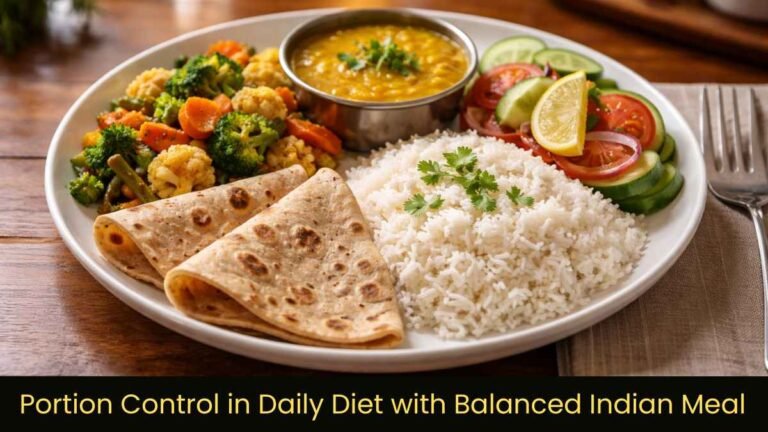
Learn the importance of portion control in daily diet and how balanced serving sizes can support healthy eating habits.
Healthy eating is not only about choosing the right foods but also about eating the right amounts. The portion control in daily diet plays an important role in maintaining balanced nutrition and supporting healthy eating habits.
In many households, meals are prepared with wholesome ingredients such as grains, vegetables, lentils, and dairy. However, consuming these foods in excessive amounts may lead to unnecessary calorie intake. Practicing portion control in daily diet helps individuals enjoy their favorite foods while maintaining balance.
By understanding portion sizes and eating mindfully, families can develop sustainable habits that support overall wellness.
Portion Control in Daily Diet and Balanced Nutrition
One of the key reasons experts emphasize portion control in daily diet is to maintain balance between different food groups. A balanced plate typically includes grains, vegetables, protein sources, and healthy fats.
When portions are balanced, the body receives a variety of nutrients without excessive intake of any single component. For example, including moderate portions of rice or roti along with vegetables, dal, and yogurt can create a more balanced meal.
Practicing portion control in daily diet allows individuals to enjoy diverse foods while maintaining appropriate serving sizes.
Portion Control in Daily Diet May Support Healthy Weight Management
Managing portion sizes can be helpful for people who want to maintain or gradually improve their weight management habits.
When food portions are large, it becomes easier to consume more calories than the body requires. By practicing portion control in daily diet, individuals can better align their food intake with their daily energy needs.
This approach focuses on mindful eating rather than strict restrictions. Balanced portions allow people to enjoy meals without feeling deprived.
Portion Control in Daily Diet and Mindful Eating
Mindful eating is closely connected with portion control in daily diet. This practice encourages people to pay attention to hunger signals, food flavors, and the pace of eating.
Eating slowly and being aware of fullness cues can help prevent overeating. Many people find that smaller portions are satisfying when meals are eaten without distractions such as television or mobile devices.
By combining mindful eating with portion control in daily diet, individuals can develop healthier relationships with food.
Portion Control in Daily Diet Using Simple Plate Methods
A practical way to practice portion control in daily diet is by using a balanced plate method. This approach divides the plate into sections for different food groups.
Half of the plate can include vegetables or salads, which provide fiber and nutrients. One quarter of the plate can include grains such as rice, roti, or millets. The remaining quarter can contain protein sources like lentils, beans, or dairy.
This method helps visualize portion control in daily diet without needing to measure every ingredient.
Nutritional Benefits of Practicing Portion Control in Daily Diet
Maintaining appropriate serving sizes can contribute to several aspects of balanced nutrition. Practicing portion control in daily diet may help support digestion, steady energy levels, and overall dietary balance.
Moderate portions also allow space for including fruits, vegetables, and other nutrient-rich foods during the day.
Rather than eliminating foods, portion control in daily diet focuses on balance and moderation, which can be easier to maintain over time.
How Families Can Practice Portion Control in Daily Diet
Families can make portion control in daily diet easier by adopting a few simple habits during meal preparation and serving.
Serving meals on smaller plates can naturally limit portion sizes. Filling plates with vegetables before adding grains may also help maintain balance.
Avoiding repeated servings immediately after finishing a meal can help give the body time to recognize fullness.
These small adjustments make portion control in daily diet easier to follow without strict rules.
Practical Daily Tips for Portion Control in Daily Diet
Start meals with vegetables or salads to encourage balanced eating.
Serve moderate portions first rather than filling the plate completely.
Eat slowly and take time to enjoy the taste and texture of food.
Drink water regularly throughout the day to support hydration and mindful eating habits.
Consistently practicing portion control in daily diet can help create sustainable eating patterns over time.
Useful Links
Foxtail Millet Benefits: Nutrition, Weight Loss And Diabetes Control
ICMR Dietary Guidelines for Indians
National Institutes of Health Nutrition Resources
FAQs
What is portion control in daily diet?
Portion control in daily diet refers to managing the amount of food consumed during meals to maintain balanced nutrition.
Why is portion control important in daily diet?
Practicing portion control in daily diet helps maintain balance between food groups and may support healthy eating habits.
How can portion control be practiced at home?
Families can practice portion control by using balanced plates, serving moderate portions, and paying attention to hunger signals.
Does portion control mean eating less food?
Portion control does not necessarily mean eating less food. It focuses on balanced serving sizes and mindful eating habits.
Disclaimer
This article is for educational and informational purposes only. It is not intended as medical advice. Always consult a qualified healthcare professional before making any health-related changes.
Conclusion
Understanding the portion control in daily diet can help individuals maintain balanced eating habits without complicated restrictions. By focusing on appropriate serving sizes and mindful eating, families can enjoy nutritious meals while supporting long-term wellness.
Small, consistent changes in portion sizes can make a meaningful difference in everyday dietary habits.
Author Box
Author: Vijaya Health Tips
About the Author:
We share simple, practical health tips based on everyday habits, traditional practices, and general wellness knowledge to support a healthy lifestyle.
About the Author