Discover the best natural protein sources in the Indian diet, including vegetarian and non-veg foods, benefits, nutrition, and easy usage tips.
Best Natural Protein Sources in Indian Diet: Simple Everyday Guide
Protein is essential for strength, immunity, and healthy muscles. Many Indian families believe protein comes mainly from eggs or meat, but India has a rich variety of natural protein-rich foods. This guide explains the best natural protein sources in Indian diet, along with benefits, nutrient details, and easy ways to include them in daily meals.
Why Protein Matters for Indian Families
Protein helps repair tissues, supports immunity, balances hormones, and keeps you full longer. A protein-rich meal also improves weight management and provides steady energy throughout the day.
Best Natural Protein Sources in Indian Diet
1. Lentils and Dal
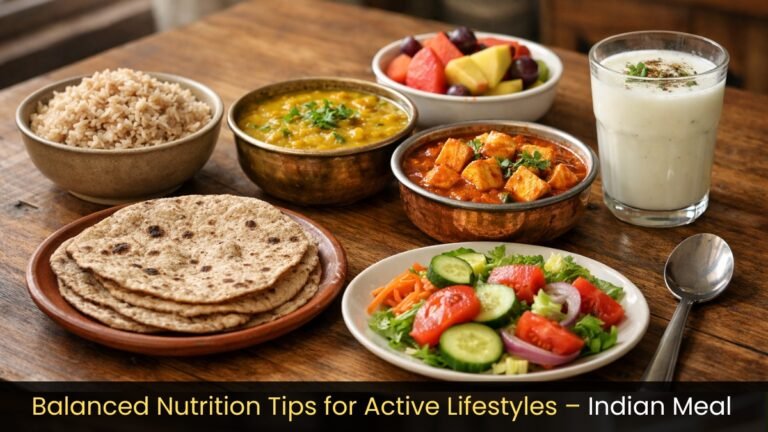
Moong dal, masoor dal, urad dal, and toor dal are excellent protein sources. They are easy to digest, versatile, and suitable for all ages.
2. Chickpeas (Chana)
Both black chana and kabuli chana offer high-quality protein and fiber. They support digestion and long-lasting satiety.
3. Rajma (Kidney Beans)
Rajma is rich in protein, minerals, and antioxidants. It pairs well with rice or millets for a complete meal.
4. Paneer
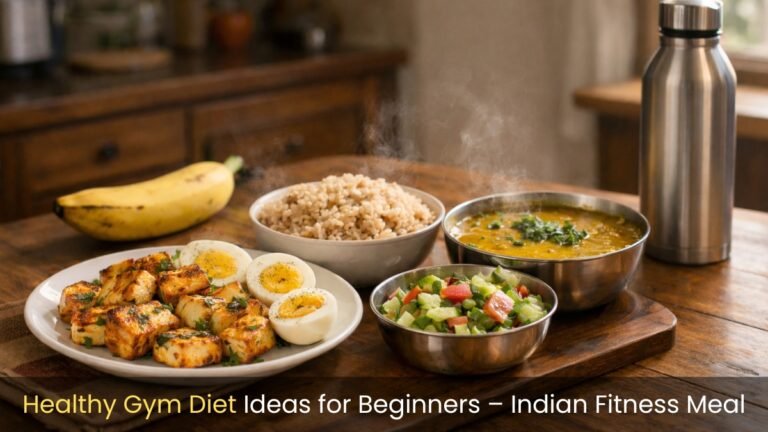
A favorite Indian protein staple, paneer provides protein, calcium, and healthy fats. It works for weight gain as well as weight maintenance depending on portion size.
5. Curd and Greek Yogurt
Curd offers protein plus probiotics that support gut health. Greek yogurt provides even more concentrated protein.
6. Soybean & Tofu
Soybean is one of the richest vegetarian protein sources. Tofu is a great dairy-free option for those who avoid milk products.
7. Millets
Little millet, foxtail millet, and kodo millet offer moderate protein plus fiber, which helps improve the overall protein quality of meals.
(Internal link: Explore more about Millets – /category/millets)
8. Eggs
Eggs provide complete protein with all essential amino acids. They are ideal for breakfast, snacks, and dinner.
9. Nuts & Seeds
Almonds, peanuts, chia seeds, flax seeds, and pumpkin seeds are excellent for boosting protein intake along with healthy fats.
10. Fish and Chicken
Lean meats like chicken breast and Indian fish options such as rohu, mackerel, and salmon offer high-quality protein and omega-3 fats.
Nutrition Benefits
Most of these protein sources provide:
- Essential amino acids
- B-vitamins
- Healthy fats
- Fiber and antioxidants
- Minerals like iron, zinc, magnesium, and calcium
Combined, they support immunity, muscle health, digestion, and energy.
How to Add More Protein to Daily Meals
- Add dal or sprouts to every lunch.
- Include paneer, tofu, or curd in one meal.
- Use chana or peanut chaat as snacks.
- Pair millets with dal for a complete protein.
- Keep nuts and seeds as small daily portions.
- Add eggs or lean meats if you eat non-veg.
Precautions
- Balance protein with vegetables and whole grains.
- Excess protein can cause digestion issues; increase water intake.
- People with kidney concerns should consult a doctor before increasing protein.
- Rotate protein sources to avoid monotony and ensure balanced nutrition.
Useful Links
- Foxtail Millet Benefits: Nutrition, Weight Loss And Diabetes Control
- Ministry of Ayush
- ICMR Dietary Guidelines India
- FSSAI Eat Right India
- WHO on protein nutrition
- PubMed dietary protein studies
FAQ
1. What is the best vegetarian protein source in India?
Soybean, dal, chickpeas, paneer, and curd are among the best options.
2. How much protein does an Indian adult need daily?
Most adults need around 0.8–1 g of protein per kg of body weight, depending on activity levels.
3. Can vegetarians get enough protein without supplements?
Yes, by combining dal, millets, nuts, seeds, and dairy products, vegetarians can meet daily needs.
4. Are millets a good protein source?
Millets offer moderate protein and help improve overall meal quality when combined with dal or legumes.
5. Can children eat high-protein foods daily?
Yes, but portions should be age-appropriate, and foods should be easy to digest.
Disclaimer
This article provides general health information only. It is not a substitute for medical advice. Always consult a qualified healthcare professional for personalised guidance.
Conclusion
Indian diets offer a treasure of natural protein sources that are nutritious, affordable, and easy to include in daily meals. Whether vegetarian or non-vegetarian, you can build balanced, protein-rich meals that support overall health and long-term wellness.
Author
Vijaya Health Tips Team
About the Author