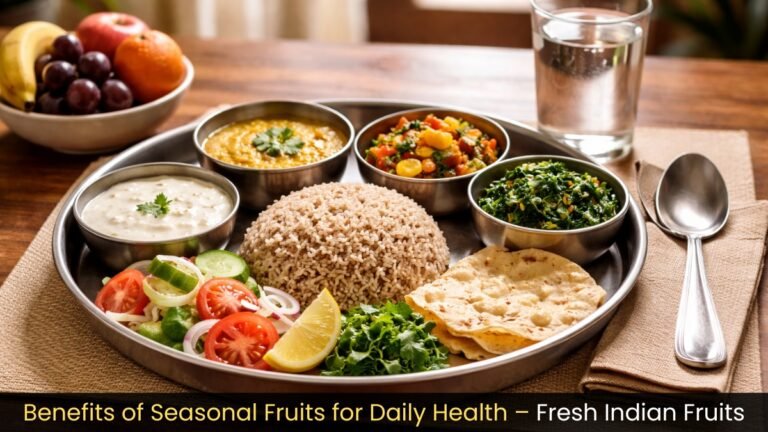
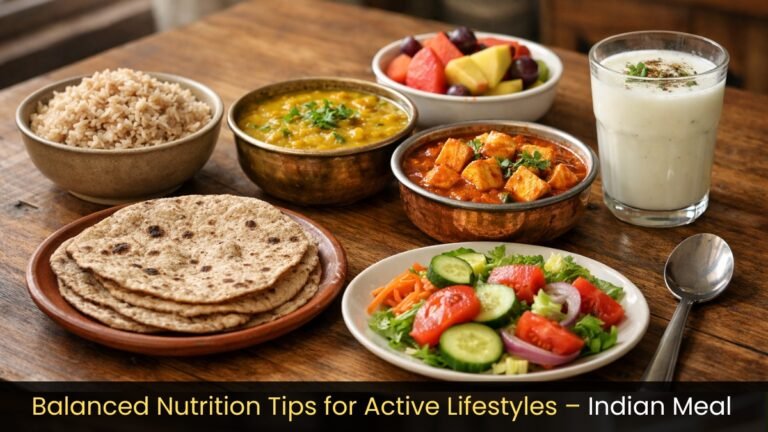
Learn how millets for daily nutrition can support balanced eating, energy, and digestive comfort as part of an everyday healthy lifestyle.
Introduction to Millets for Everyday Nutrition
Millets have been a part of traditional Indian diets for centuries. In recent years, interest in millets for daily nutrition has grown as people look for wholesome, natural foods that fit into a balanced lifestyle. These ancient grains are valued for their versatility, ease of cooking, and role in traditional home meals. Including millets in everyday food habits can support overall wellness when combined with a varied and balanced diet.
What Are Millets and Why They Matter
Millets are small-seeded grains traditionally grown across different regions of India. Common varieties include jowar, bajra, ragi, foxtail millet, little millet, and kodo millet. These grains were widely consumed before polished rice and refined wheat became common.
Millets for daily nutrition are valued because they fit well into home-cooked meals and can be prepared in many forms such as rotis, porridge, dosa, idli, and khichdi.
Nutritional Value of Millets for Daily Nutrition
Millets are naturally rich in complex carbohydrates, plant-based protein, dietary fiber, and essential minerals. Their fiber content can support digestion and help maintain a feeling of fullness, which may be useful for balanced eating.
Different millets offer varied nutritional profiles. For example, ragi is traditionally valued for calcium content, while jowar and bajra are commonly included for their energy-giving properties. When consumed as part of mixed meals, millets for daily nutrition can complement other food groups like vegetables, pulses, and healthy fats.
Benefits of Including Millets in Everyday Meals
Including millets for daily nutrition may support steady energy levels throughout the day. Their complex carbohydrate structure allows for slower digestion compared to refined grains.
Traditional diets often included millets seasonally, which helped maintain dietary variety. This practice can still be followed today by rotating different millets across the week rather than relying on a single grain.
How to Use Millets for Daily Nutrition
Millets can be easily adapted to familiar Indian recipes. Replacing part of rice or wheat with millets is a simple way to begin.
Millet rotis, millet dosa batter, millet upma, and millet porridge are common preparations. Cooking millets properly by soaking and washing them well can improve taste and texture, making them suitable for everyday use.
Millets for Daily Nutrition in a Balanced Diet
Millets work best when combined with other foods. Pairing them with vegetables, dals, curd, or healthy oils helps create nutritionally balanced meals.
Instead of consuming millets in large quantities at once, moderate portions as part of regular meals are traditionally recommended. This approach supports comfort and digestion while maintaining dietary balance.
Precautions When Adding Millets to Daily Meals
While millets are nutritious, sudden excessive intake may cause digestive discomfort for some people. Introducing millets gradually is considered a practical approach.
Rotating different types of grains and maintaining variety helps avoid overdependence on any single food. Drinking enough water and including vegetables can further support digestive comfort.
Practical Daily Tips for Using Millets
Start with one millet-based meal a day
Rotate different millets during the week
Soak millets before cooking when possible
Combine millets with vegetables and pulses
Prefer home-cooked millet dishes
Useful Links
- FSSAI –Eat Right India initiative
- WHO – Healthy diet information
- Ministry of AYUSH – Traditional dietary guidance
- ICMR – Dietary Guidelines for Indians
- Foxtail Millet Benefits: Nutrition, Weight Loss And Diabetes Control
- Nutrition and Balanced Diet: A Simple Guide for Everyday Healthy Eating
- Weight Loss & Healthy Living: Simple Daily Habits for Sustainable Wellness
FAQs
Are millets suitable for daily consumption?
Millets can be included regularly in moderate amounts as part of a varied and balanced diet.
Can millets replace rice or wheat completely?
Millets may replace part of rice or wheat, but dietary variety is generally recommended for balanced nutrition.
Do millets require special cooking methods?
Basic soaking, washing, and proper cooking are usually sufficient for most millet varieties.
Are millets suitable for all age groups?
Millets are traditionally consumed by all age groups when prepared appropriately and eaten in moderation.
Disclaimer
This article is for educational and informational purposes only. It is not intended as medical advice. Always consult a qualified healthcare professional before making any health-related changes.
Conclusion
Millets for daily nutrition offer a traditional, practical way to add variety and wholesomeness to everyday meals. When included thoughtfully alongside vegetables, pulses, and other foods, millets can support a balanced lifestyle. Reviving these traditional grains aligns well with simple, home-based eating habits followed by Indian families.
Author: Vijaya Health Tips
About the Author:
We share simple, practical health tips based on everyday habits, traditional practices, and general wellness knowledge to support a healthy lifestyle.
About the Author