Learn about simple Indian foods for balanced nutrition. Practical diet ideas using everyday ingredients for a healthy lifestyle.
Eating well does not have to be complicated or expensive. In many Indian homes, balanced nutrition is already part of daily life through simple, traditional foods. A balanced diet focuses on variety, moderation, and regular meals rather than strict rules. This article explains indian balanced diet foods that are commonly used in households and how they can support overall wellness as part of a healthy lifestyle.
Indian Balanced Diet Foods and Daily Nutrition Basics
Grains and Cereals in Indian Balanced Diet Foods
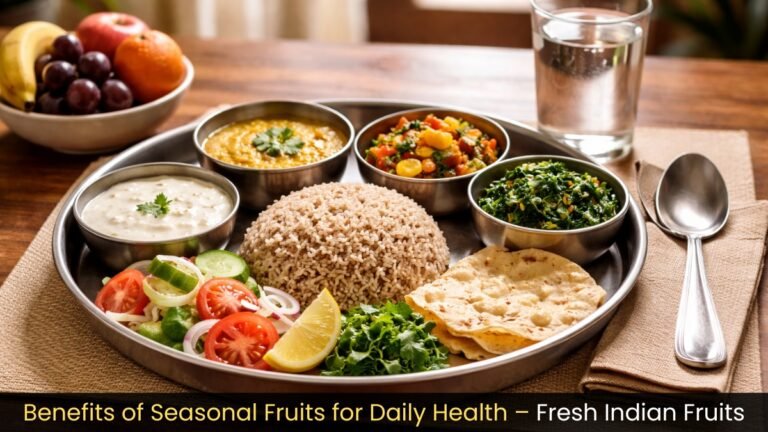
Grains form the base of most Indian meals. Rice, wheat, millets, and oats provide carbohydrates that support daily energy needs. Traditionally, many families rotate grains instead of relying on only one. Including foods like brown rice, whole wheat roti, jowar, bajra, or ragi can add variety and fiber to the diet. These grains are filling and are usually combined with vegetables and dals for balanced meals.
Pulses and Legumes as Indian Balanced Diet Foods
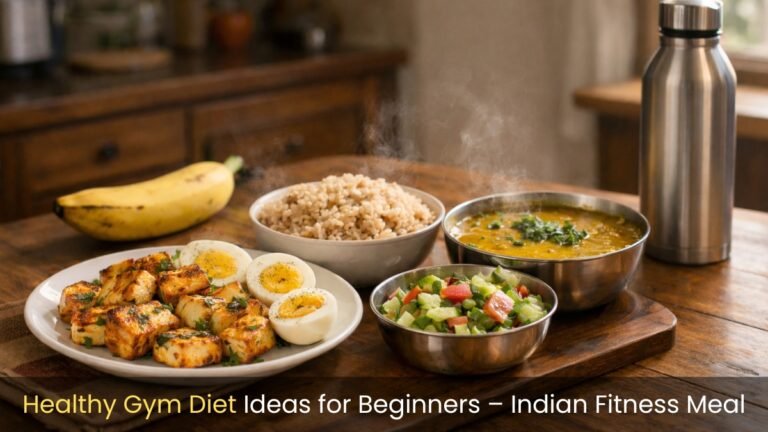
Pulses such as dal, chana, rajma, green gram, and lentils are key protein sources in Indian diets. They are often cooked with simple spices and eaten with rice or roti. Including at least one serving of pulses daily may help support muscle maintenance and overall nourishment when part of a balanced diet.
Vegetables in Indian Balanced Diet Foods
Vegetables add color, taste, and nutrients to meals. Green leafy vegetables like spinach, methi, and drumstick leaves are commonly used. Other vegetables such as bottle gourd, pumpkin, carrot, beans, cauliflower, and brinjal are seasonal and widely available. Eating a mix of cooked and lightly prepared vegetables can support digestion and general wellness.
Fruits as Part of Indian Balanced Diet Foods
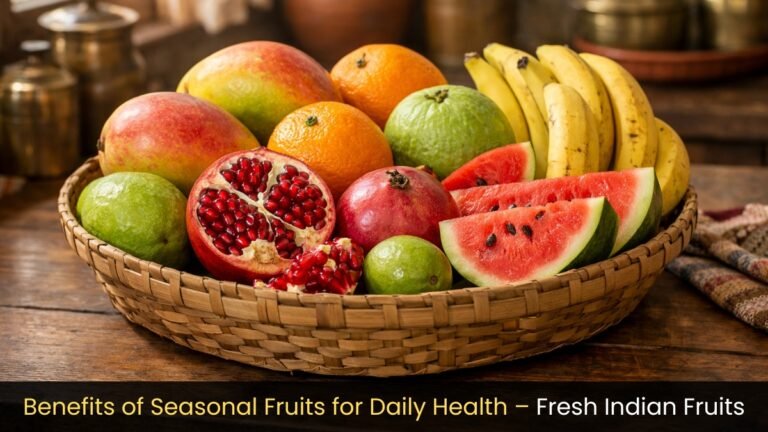
Seasonal fruits are an easy way to add natural sweetness and nutrients. Banana, apple, papaya, guava, mango, and citrus fruits are commonly eaten in India. Fruits are usually eaten whole, which provides fiber. Including one or two servings of fruit daily can support a balanced eating pattern.
Milk and Dairy in Indian Balanced Diet Foods
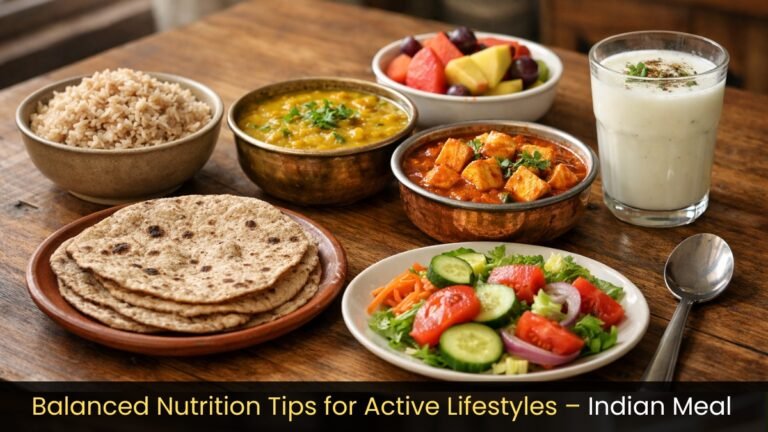
Milk, curd, buttermilk, and paneer are traditional dairy foods used across India. They are often consumed in moderate amounts. Curd and buttermilk are especially popular during meals and may help support digestion. Choosing homemade or minimally processed dairy foods fits well into a balanced diet.
Fats and Oils in Indian Balanced Diet Foods
Healthy fats are an important part of daily nutrition. Traditional cooking oils such as groundnut oil, mustard oil, sesame oil, and coconut oil are used in different regions. Ghee is also used in small amounts. Using oils in moderation and avoiding excessive frying helps maintain balance in meals.
Benefits of Following Indian Balanced Diet Foods
A balanced Indian diet provides a mix of carbohydrates, proteins, fats, vitamins, and minerals. Eating a variety of foods may help support energy levels, digestion, and overall well-being. Traditional meal patterns also encourage regular eating times and home-cooked food, which can support mindful eating habits.
Usage and Meal Planning with Indian Balanced Diet Foods
A simple balanced meal often includes roti or rice, dal, vegetable sabzi, curd, and a small portion of salad. Breakfast may include idli, dosa, poha, upma, or oats with vegetables. Snacks can be fruits, roasted chana, peanuts, or homemade options instead of packaged foods. Keeping meals simple and seasonal helps maintain balance.
Precautions While Choosing Indian Balanced Diet Foods
Balance does not mean overeating. Portion control is important, even with healthy foods. Deep-fried items, excess sweets, and heavily processed foods are best limited. Everyone’s needs are different, so listening to hunger and fullness cues is important. Those with specific health conditions should seek professional guidance.
Practical Daily Tips for Balanced Nutrition
Eat at regular times and avoid skipping meals.
Include at least one vegetable and one protein source in main meals.
Choose seasonal and locally available foods.
Drink enough water throughout the day.
Prefer home-cooked meals over packaged foods whenever possible.
Useful Links
- ICMR Dietary Guidelines for Indians
- FSSAI Eat Right India
- World Health Organization – Healthy diet
- Ministry of AYUSH – Nutrition and lifestyle guidance
- WHO Nutrition Topics
- Benefits of Including Millets in Daily Meals
FAQs
What are indian balanced diet foods?
Indian balanced diet foods include grains, pulses, vegetables, fruits, dairy, and healthy fats eaten in proper portions.
Is rice part of a balanced Indian diet?
Yes, rice can be part of a balanced diet when eaten in moderate amounts along with vegetables and proteins.
Can a vegetarian Indian diet be balanced?
A vegetarian Indian diet can be balanced by including a variety of pulses, dairy, vegetables, fruits, and grains.
How often should balanced meals be eaten?
Regular meals spaced throughout the day help support steady energy and overall wellness.
Disclaimer
This article is for educational and informational purposes only. It is not intended as medical advice. Always consult a qualified healthcare professional before making any health-related changes.
Balanced nutrition does not require special foods or complicated plans. Simple Indian foods, eaten in the right combinations and portions, can support a healthy lifestyle. By focusing on variety, home cooking, and mindful eating, families can maintain balanced nutrition naturally.
Author: Vijaya Health Tips
About the Author:
We share simple, practical health tips based on everyday habits, traditional practices, and general wellness knowledge to support a healthy lifestyle.
About the Author