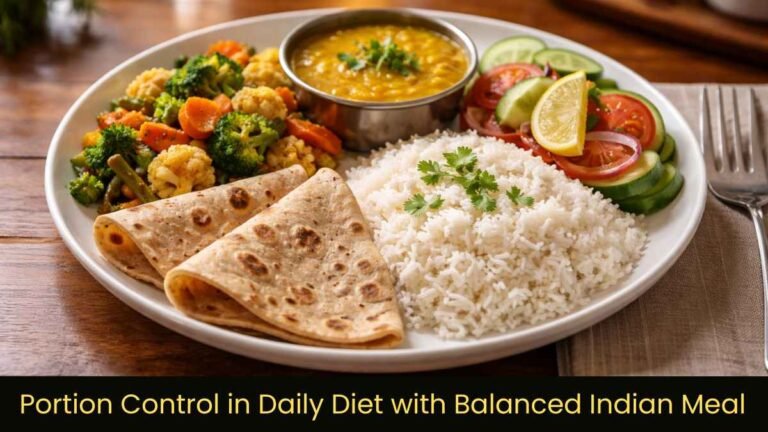
Learn why millets are better than refined grains and how they support balanced nutrition, digestion, and sustainable healthy eating habits.
Grains are an important part of everyday meals in many Indian homes. However, the type of grain we choose can make a significant difference in overall nutrition. In recent years, the conversation around millets vs refined grains has gained attention because many people are looking for healthier alternatives to highly processed foods.
Millets are traditional grains that have been cultivated in India for thousands of years. They include varieties such as ragi, jowar, bajra, foxtail millet, and little millet. Refined grains, on the other hand, are grains that have been processed to remove their outer layers. This processing often reduces fiber and some natural nutrients.
Understanding millets vs refined grains can help families make more informed choices about everyday foods and balanced nutrition.
Millets vs Refined Grains in Nutritional Value
One of the main differences between millets vs refined grains lies in their nutritional profile. Millets are whole grains that retain their natural fiber, vitamins, and minerals.
Refined grains, such as polished white rice or refined wheat flour, go through milling processes that remove the bran and germ layers. These layers contain important nutrients. When they are removed, the grain becomes softer and lighter but also loses part of its natural nutritional value.
Millets naturally contain fiber, plant-based nutrients, and minerals that contribute to a balanced diet. Because they are less processed, they help maintain the natural integrity of the grain.
Millets vs Refined Grains for Digestive Health
Another important factor in the discussion of millets vs refined grains is fiber content. Millets generally contain more dietary fiber compared to refined grains.
Dietary fiber plays a role in supporting digestive comfort and regular bowel movements. Foods rich in fiber can also help people feel full for longer periods after meals.
In many traditional Indian diets, millets were regularly used in rotis, porridges, and steamed dishes. These preparations naturally supported digestion as part of everyday eating habits.
Replacing some refined grains with millet-based foods may help add more natural fiber to daily meals.
Millets vs Refined Grains and Balanced Energy
The body uses carbohydrates from grains as an energy source. However, the way the body processes different grains can vary.
When comparing millets vs refined grains, millets are often digested more gradually due to their fiber and complex carbohydrate content. This slower digestion may help support steadier energy levels during the day.
Refined grains, which have less fiber, may be digested more quickly. This can sometimes lead to faster hunger after meals.
Including millets as part of balanced meals may support sustained energy throughout daily activities.
Millets vs Refined Grains and Traditional Indian Diets
Millets have deep roots in Indian agriculture and food culture. For centuries, farmers cultivated these grains because they grow well in dry climates and require less water.
Traditional dishes such as ragi mudde, bajra roti, and jowar bhakri highlight the importance of millets in regional cuisines. These grains provided nourishment to communities long before highly refined grains became widely available.
Today, the discussion around millets vs refined grains is also about rediscovering traditional food wisdom and integrating it into modern lifestyles.
Nutrients Commonly Found in Millets
Millets are known for containing several important nutrients. These include natural plant compounds and minerals that contribute to overall dietary diversity.
Common nutrients found in millets include:
Iron, which supports normal energy metabolism
Magnesium, which plays a role in muscle and nerve function
Dietary fiber that supports digestive health
Plant-based antioxidants that contribute to natural body defense systems
While millets alone do not replace a balanced diet, they can be a nutritious component of daily meals.
Practical Ways to Replace Refined Grains with Millets
Switching from refined grains to millets does not require drastic changes. Small steps can make the transition easier and more sustainable.
You can start by preparing millet rotis instead of refined wheat products occasionally. Millet porridge can also be used as a wholesome breakfast option.
Mixing millet flour with regular flour for chapatis is another practical method. This allows families to gradually introduce millet nutrition without completely changing traditional cooking styles.
Exploring different recipes can make millet-based meals enjoyable and suitable for everyday use.
Practical Daily Tips for Choosing Millets
Choose locally available millet varieties whenever possible, as they are often fresher and more suitable for regional cooking.
Rinse millets properly before cooking to remove natural dust or husk particles.
Combine millets with vegetables, pulses, and healthy fats to create balanced meals that support overall nutrition.
Rotate different types of grains during the week to ensure dietary variety instead of relying on only one grain.
Useful Links
Benefits of Drinking Jeera Water in the Morning
ICMR Dietary Guidelines for Indians
National Institutes of Health Nutrition Resources
FAQs
Why are millets often compared with refined grains?
The discussion around millets vs refined grains focuses on nutritional differences, fiber content, and the level of processing involved in these grains.
Are millets suitable for everyday meals?
Millets can be included in everyday meals as part of a balanced diet. They are traditionally used in many Indian dishes such as rotis, porridges, and steamed preparations.
Do millets contain more fiber than refined grains?
Yes, millets generally contain higher amounts of dietary fiber because they are whole grains and less processed compared to refined grains.
Can families gradually replace refined grains with millets?
Yes, small changes such as mixing millet flour with regular flour or adding millet dishes once or twice a week can help introduce them into daily meals.
Disclaimer
This article is for educational and informational purposes only. It is not intended as medical advice. Always consult a qualified healthcare professional before making any health-related changes.
Conclusion
The comparison of millets vs refined grains highlights the importance of choosing less processed foods whenever possible. Millets provide natural fiber, minerals, and traditional value that align well with balanced eating habits.
By gradually incorporating millet-based dishes into everyday meals, families can enjoy both traditional flavors and wholesome nutrition.
Author: Vijaya Health Tips
We share simple, practical health tips based on everyday habits, traditional practices, and general wellness knowledge to support a healthy lifestyle.
About the Author